Single-Ply Roof Replacement Options: TPO, EPDM, and PVC
People seeking single-ply roof replacement options like TPO, EPDM, and PVC are often looking to upgrade or repair their roofs, and local contractors can help them choose and install the best solution.
Understanding single-ply roof replacement options such as TPO, EPDM, and PVC is essential for property owners considering a roof upgrade or repair. These materials are popular choices for commercial and residential buildings alike, offering different benefits in terms of durability, energy efficiency, and installation flexibility. Whether planning a complete roof replacement or exploring long-term maintenance solutions, property owners in the area are encouraged to learn about these options to make informed decisions that best suit their needs.
Local contractors specializing in single-ply roof replacement services can provide valuable insights into which material might be most suitable for a specific property. They understand the unique demands of the local climate and building structures, helping property owners navigate the advantages and considerations of TPO, EPDM, and PVC roofing systems. Keep reading to discover more about these options and how trusted service providers can assist with the installation or replacement process to ensure a reliable, long-lasting roof.
- TPO roofing - homeowners considering energy-efficient and durable roofing options often explore TPO, with local contractors specializing in seamless installation and membrane repairs.
- EPDM roofing - those needing a flexible, weather-resistant roof replacement may opt for EPDM, where local service providers focus on precise membrane fitting and leak prevention.
- PVC roofing - clients seeking a long-lasting, chemical-resistant roof might choose PVC, and local pros typically handle intricate flashing and membrane sealing.
- Single-ply roof replacement options: TPO, EPDM, and PVC - individuals evaluating different single-ply roofing materials can rely on local service providers to recommend suitable options based on building needs.
- Single-ply roof replacement options: TPO, EPDM, and PVC - property owners interested in upgrading their roofs often find local contractors capable of installing or replacing these materials efficiently and effectively.
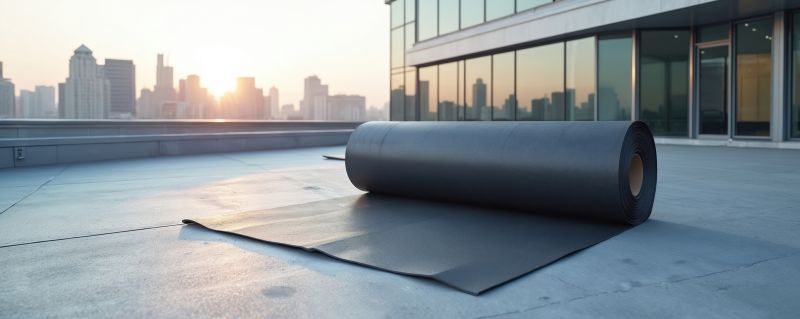
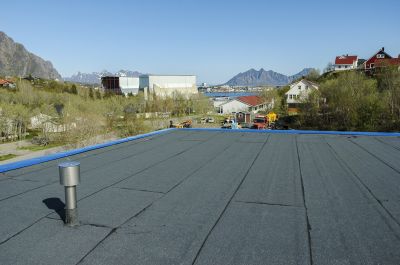
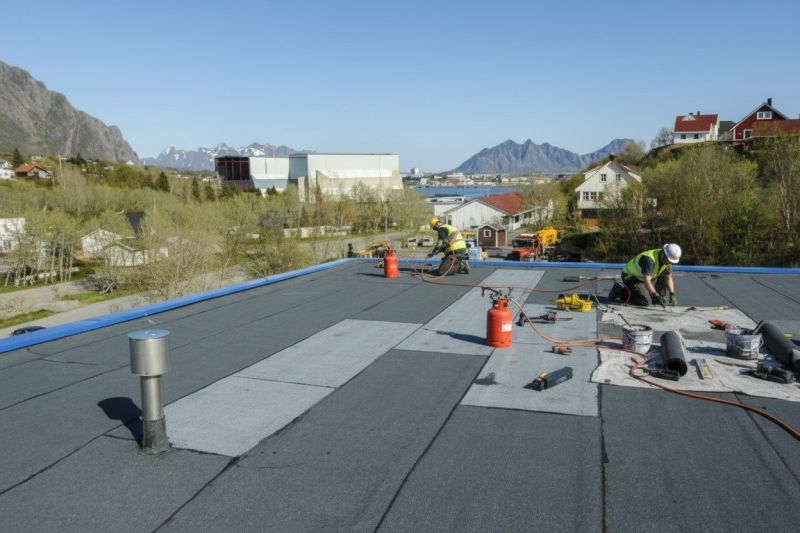
When homeowners search for information about single-ply roof replacement options: TPO, EPDM, and PVC, they are often trying to understand the different materials available for replacing or upgrading a flat or low-slope roof. These searches typically relate to projects where existing roofing has reached the end of its lifespan, sustained damage, or is no longer performing as needed. Property owners may be planning a complete roof overhaul or seeking a durable, reliable membrane to ensure long-term protection against leaks and weather exposure. Understanding the differences between these options helps homeowners make informed decisions about which material best suits their building’s needs and their budget.
The topic of single-ply roof replacement options is closely connected to problems like roof leaks, aging membranes, or improper insulation that can compromise the integrity of a flat roof. Many property owners want a solution that offers durability, ease of installation, and low maintenance. These projects are common on commercial buildings, warehouses, industrial facilities, and some multi-family residential properties, where flat or low-slope roofs are prevalent. Homeowners with similar flat roofing systems may also explore these options when considering upgrades or replacements, especially if they want a material that can withstand frequent exposure to the elements while maintaining a clean and professional appearance.
The types of properties that typically come up in discussions about single-ply roof replacement options include commercial structures, such as retail centers, office buildings, and factories. These buildings often feature large, flat roof areas that require a membrane capable of covering extensive surfaces efficiently. Multi-family complexes, like apartment buildings, also frequently have flat roofs that benefit from the durability and flexibility of single-ply membranes. While less common on residential homes, some larger or custom-designed residences with flat or low-slope roofs may also consider these options. Local service providers specializing in single-ply roofing can evaluate the specific needs of each property, recommend suitable materials, and handle the installation process to ensure a long-lasting, effective roof system.
Choosing between TPO, EPDM, and PVC for a roof replacement involves understanding their distinct characteristics and how they relate to the property’s environment and usage. TPO is known for its heat-welded seams and resistance to UV rays, making it a popular choice for commercial projects requiring energy efficiency. EPDM, a rubber membrane, offers excellent flexibility and weather resistance, often favored for its affordability and ease of repair. PVC membranes are highly durable, resistant to chemicals, and suitable for buildings that need a tough, long-lasting surface. Local contractors experienced in single-ply roof replacements can help property owners compare these options, considering factors like climate, building type, and budget to select the best material for their specific project.
Commercial roofing projects - installing or replacing large flat roofs often involves similar planning and materials as single-ply roof options like TPO, EPDM, and PVC, requiring specialized tools and techniques.
Roof membrane repairs - repairing or patching existing roofing membranes shares skills with single-ply roof replacement, focusing on seamless application and material compatibility.
Flat roof waterproofing - applying waterproof coatings or membranes on flat roofs involves comparable surface prep and membrane installation skills used in single-ply roofing systems.
Industrial roofing services - handling large-scale industrial roof projects often requires experience with membrane materials similar to those used in single-ply roof options, emphasizing durability and weather resistance.
Roof insulation upgrades - improving insulation in flat roofing systems involves planning and installation processes that align with the requirements of single-ply roofing materials like TPO, EPDM, and PVC.
Roof tear-off and replacement - removing old roofing materials and installing new membranes involves skills applicable to single-ply roof replacement, including surface preparation and membrane handling.
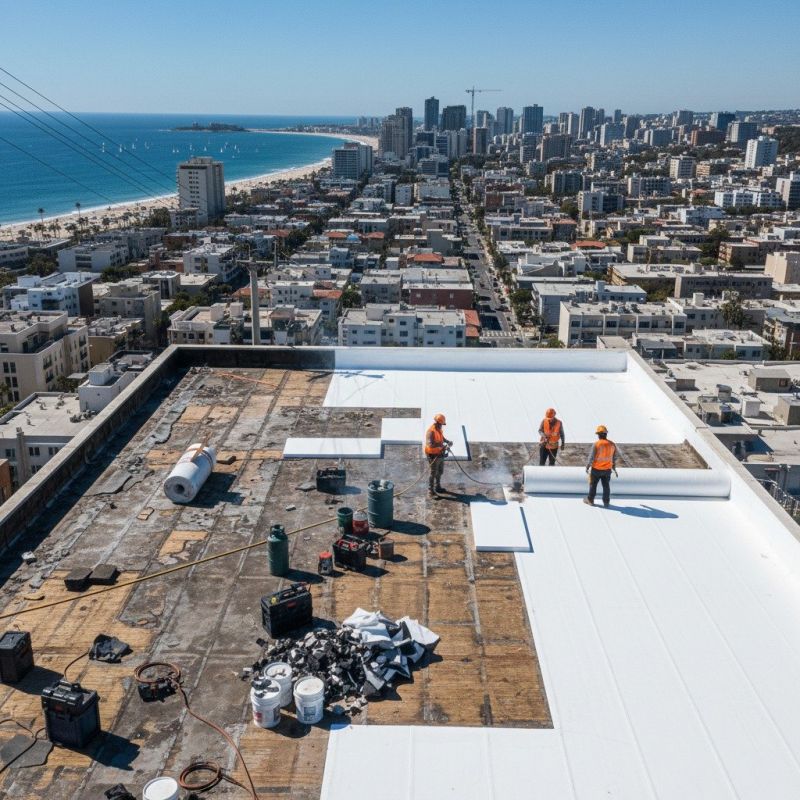
When evaluating contractors for a single-ply roof replacement, it is important to consider their experience with similar projects, specifically those involving TPO, EPDM, and PVC roofing systems. Contractors who have a history of working on roofs with these materials are more likely to understand the nuances of installation, material handling, and potential challenges. Asking for examples of past projects or references related to single-ply roofing can provide insight into their familiarity with different membrane types and their ability to deliver quality results tailored to specific roofing needs.
Clear, written expectations are essential when comparing local service providers for a single-ply roof replacement. A reputable contractor should be able to provide a detailed scope of work, including the type of membrane recommended, the installation process, and any necessary preparation or repairs. This documentation helps ensure that both parties are aligned on what the project entails and reduces the risk of misunderstandings. It also allows homeowners to compare proposals more effectively, focusing on the scope and materials rather than just price.
Effective communication and reputable references are key factors when choosing a contractor for single-ply roof replacement services. Service providers who are transparent about their processes and willing to address questions demonstrate professionalism and reliability. Additionally, seeking references from previous clients can reveal how well a contractor communicates, manages projects, and handles unforeseen issues. Good communication ensures that homeowners stay informed throughout the process, making it easier to evaluate the contractor’s ability to meet expectations and deliver a successful roofing project.
Property owners often search for single-ply roof replacement options: TPO, EPDM, and PVC when they are planning practical projects around their homes and businesses. Local pros provide Single-Ply Roof Replacement services for everyday jobs and straightforward project options.
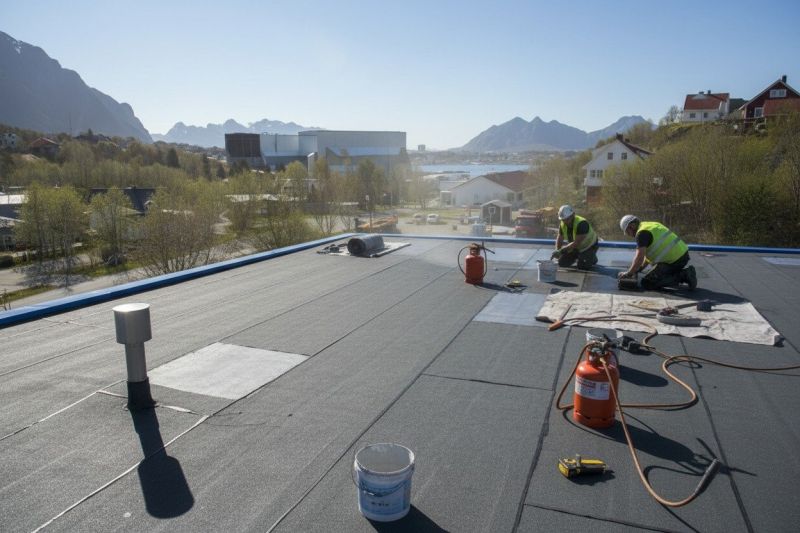
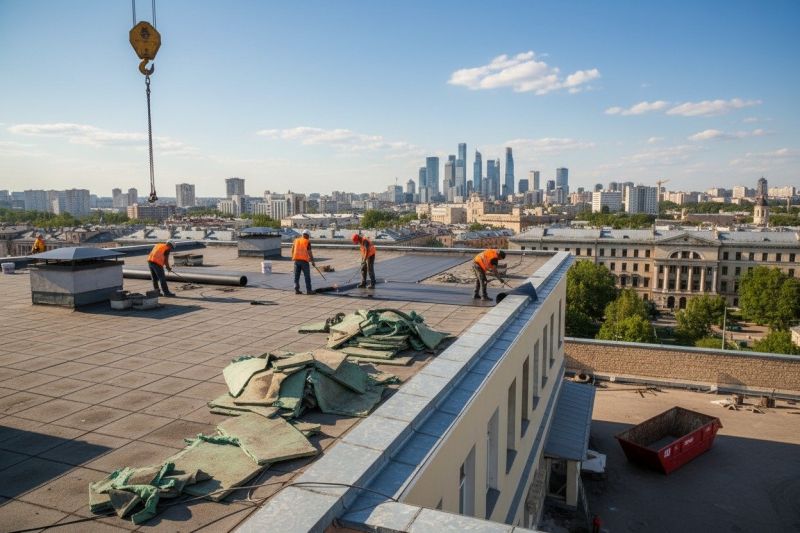
Homeowners considering a single-ply roof replacement often look into options like TPO, EPDM, and PVC because these materials are known for their durability and versatility. Whether a property owner is dealing with an aging roof showing signs of wear or planning a renovation to improve energy efficiency, understanding the differences between these materials can help inform a decision. Local contractors who specialize in roof replacements can provide guidance on which single-ply roofing option best suits the specific needs of a property, taking into account factors like climate, building use, and long-term performance.
Many property owners seek out information on single-ply roof replacement options to ensure they choose a material that offers reliable protection and fits their budget. TPO, EPDM, and PVC each have distinct characteristics that can influence their suitability for different projects, such as resistance to weather, ease of installation, and lifespan. Local service providers are equipped to handle these installations and can help property owners compare the benefits of each material, making it easier to select a solution that aligns with their goals for the roof replacement.
What are the main differences between TPO, EPDM, and PVC roofing materials? TPO, EPDM, and PVC are single-ply roofing options each with unique properties. TPO offers heat-welded seams and reflects sunlight, EPDM is a flexible rubber membrane suited for various climates, and PVC is a durable plastic membrane resistant to chemicals and fire. Local contractors can help determine which material best fits specific roofing needs.
How do TPO, EPDM, and PVC compare in terms of durability? Durability varies among these options: TPO generally resists UV rays and tears well, EPDM is known for its flexibility and long lifespan, and PVC offers excellent resistance to chemicals and physical damage. Service providers can advise on which material holds up best based on local weather conditions.
Are there different installation considerations for TPO, EPDM, and PVC roofs? Yes, each material has specific installation methods: TPO is typically heat-welded, EPDM is often adhered or ballasted, and PVC is heat-welded or mechanically attached. Local pros are experienced with these installation techniques and can ensure proper application.
Can local contractors help decide which single-ply roof replacement option is suitable? Absolutely, experienced service providers can assess the roof’s structure, climate factors, and usage to recommend the most appropriate single-ply roofing material among TPO, EPDM, and PVC for the specific building.
What maintenance is required for roofs made with TPO, EPDM, or PVC? Maintenance needs vary: TPO roofs benefit from regular inspections for seam integrity, EPDM roofs require checking for punctures and cracks, and PVC roofs should be monitored for seam integrity and physical damage. Local contractors can provide guidance on upkeep to maximize roof lifespan.
Evaluate material durability - property owners can discuss with local contractors which single-ply roofing options-TPO, EPDM, or PVC-best suit their building’s exposure and wear conditions.
Consider installation compatibility - property owners might explore how each roofing type integrates with existing roof structures to ensure a smooth replacement process with local pros.
Assess energy efficiency impacts - property owners can learn how different single-ply roof options influence building insulation and utility costs during planning with local service providers.
Choose maintenance needs - property owners may compare maintenance requirements of TPO, EPDM, and PVC to select a roofing material that aligns with their upkeep preferences during replacement discussions.
If you are thinking about single-ply roof replacement options: TPO, EPDM, and PVC for a property, this guide is meant to help you understand this topic, the typical project types, and how different options might fit your plans.
When you are ready, you can use the quote form on this page to share a few details about your project. From there, local pros can review the basics and follow up with options that match what you have in mind.